Last checked: November 2026 · By Adam Moody
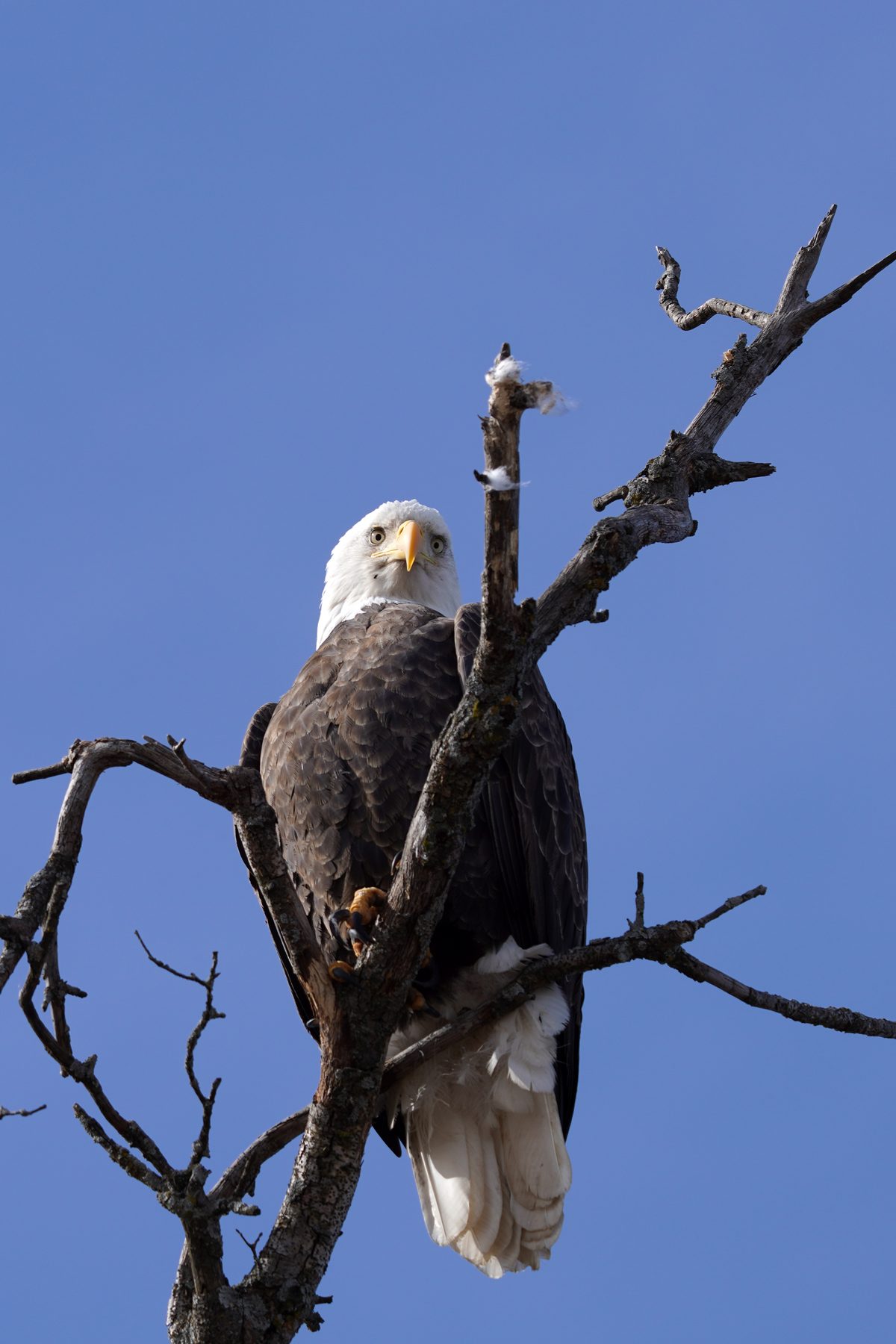
“Eagle hacking” sounds like something that might get you arrested. It’s actually an old falconry term, and it’s the reason you can see bald eagles around the Finger Lakes today. The world’s first bald eagle hacking tower went up in 1976 at the Montezuma National Wildlife Refuge, at the north end of Cayuga Lake.
What eagle hacking means
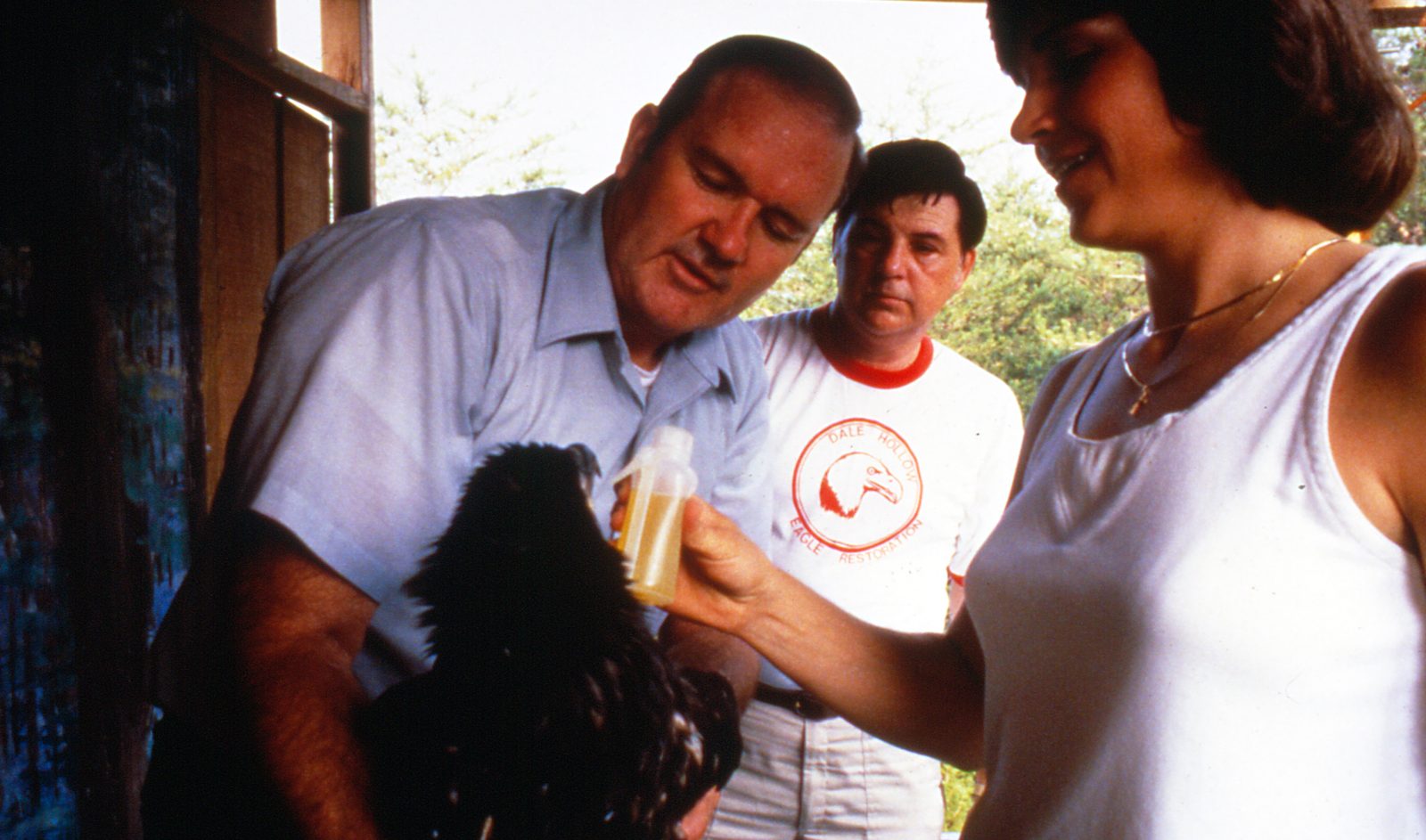
Hacking is a way of raising young birds of prey to independence without their parents. Falconers have used it on falcons for centuries. For the eagles, biologists set the chicks on an artificial nest platform a few weeks before they could fly. Caretakers fed them from behind a blind, so the birds never learned to connect people with food. When the eaglets were 12 or 13 weeks old, the cage door came off and they left whenever they were ready.
The bet was that a young eagle would treat the place it first flew from as home, and come back to breed there years later. Nobody knew if that worked with bald eagles, because nobody had tried.
Why New York needed it
By 1976 New York had one nesting pair of bald eagles left, at Hemlock Lake. They laid eggs every year, but DDT had thinned the shells so badly that the eggs broke during incubation. DDT had been banned a few years earlier. With no young birds coming up, the state’s eagles were still headed for zero.
A team at the state’s Department of Environmental Conservation, led by biologist Peter Nye, decided to try hacking. They worked with Tom Cade of the Cornell Lab of Ornithology, who had hacked other birds, and with the U.S. Fish and Wildlife Service. Montezuma had been eagle nesting habitat and tested free of DDT, so the first tower went up there.
They tried something at Hemlock Lake too. Biologists climbed to the nest, swapped the doomed eggs for plaster dummies, and later slipped in a chick from a captive breeding program. The pair raised it like their own, and went on to foster several more.
Henry and Agnes
The first two eaglets, Henry and Agnes, were siblings from a nest in Wisconsin. They grew up on a 40-foot tower overlooking the refuge and flew off in the summer of 1976.
In 1980, biologists found them nesting near Watertown, 84 miles north. They hatched two chicks that first season. “They were brother and sister, but hey, I’m not asking any questions,” Nye said years later.
Montezuma released 23 young eagles over the program’s first five years. Once Henry and Agnes showed it worked, the program went big. Nye’s team climbed giant spruce trees along the Alaska coast to collect eaglets, about 20 a year, and raised them in new towers around the state. By the end of the 1980s the program had released 198 eagles and reached its goal of 10 breeding pairs, so DEC shut it down.
Where things stand now
Sixteen other states and the Province of Ontario copied New York’s hacking program. The bald eagle came off the federal endangered species list in 2007, and New York has recorded 841 eagle nesting territories since monitoring began. Bald eagles now turn up in every county in the state.
Where to see it
The original tower still stands on Clarks Ridge, above the refuge’s Tschache Pool, weathered and partly broken.
For the program’s 40th anniversary in 2016, the refuge put up a 21-foot steel bald eagle by James Seaman, an artist from Trumansburg. You’ve probably seen it from the Thruway. To see it up close, go in from the Visitor Center off Routes 5 and 20, just east of Seneca Falls.
As for live eagles, Montezuma’s stay through the winter as long as there’s open water, and winter is a good time to look for them. The Wildlife Drive is seasonal, so check the refuge’s page before you go. There’s also a new accessible viewing platform next to the Montezuma Audubon Center in Savannah, which opened this fall.
Read more
- Bald Eagle Restoration in New York, 1976 to 1989 (NYS DEC), the official history
- The Eagle Has Landed: A Conversation with Peter Nye (goEast), including the Alaska tree climbs
- Winter is prime time for watching bald eagles (National Geographic), where Henry and Agnes’s story comes from
- Montezuma National Wildlife Refuge (U.S. Fish and Wildlife Service), for hours and the Wildlife Drive
- Friends of Montezuma, who post eagle nest updates
- Montezuma Audubon Center in Savannah
If you liked this, I write about stuff like it every week in the Finger Lakes Effect newsletter, along with what’s happening around the lakes. It’s free to sign up.
See you out there!